
Pre-Construction Termite Treatment in SoCal: The Builder's Complete Guide
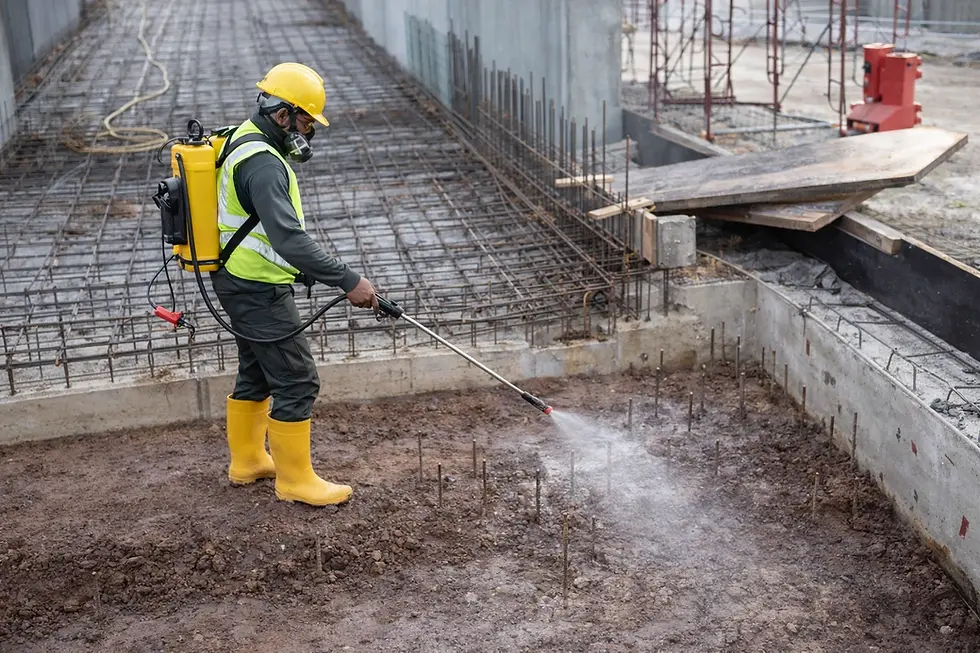
Most homeowners first think about termites after they've moved in. Builders can't afford that luxury. Pre construction termite treatment — applied to soil and framing before the foundation is poured — is the most effective, least disruptive, and most cost-efficient defense against subterranean termites in existence. Once the slab is down, that window closes.
In Southern California's high-risk termite zones — Inland Empire, Los Angeles County, Orange County, and the San Gabriel Valley — building codes and lender requirements increasingly expect documented termite protection as a condition of the Certificate of Occupancy. Termike Pest Control has been the pre-treatment partner of choice for residential and commercial builders across the region for over 20 years.
⚡ Quick Answers for Builders & GCs
|
✅ Why You Can Trust Termike Pest Control License: California Structural Pest Control Board — License #PR8832 (Branch 2 & 3) Membership: National Pest Management Association (NPMA) Experience: 20+ years serving Orange County, LA County, Riverside & San Bernardino County Inspection Tech: FLIR thermal scans · UV tracking dust · Sealed entry-point audit · Permit-ready documentation Warranty: 3-year structural warranty on residential treatments |
What Is Pre-Construction Termite Treatment and Why It Matters
Pre construction termite treatment is a preventive chemical barrier applied to the soil beneath a structure before the foundation concrete is placed. The goal is to create a continuous treated zone between underground termite colonies and the wood framing above.
Subterranean termites live and nest in soil — often several feet below grade. According to the UC Integrated Pest Management Program, subterranean termites cause more structural damage per year in California than any other wood-destroying pest. In SoCal's warm, irrigated soil environment, colonies are particularly active year-round.
Once a building's foundation is sealed and drywall is up, treating a subterranean infestation requires drilling through the slab at 12-inch intervals — a process that costs 4–8× more than a simple pre-treatment and disrupts the building's occupants. That's the financial case for pre construction termite treatment in a single sentence.
When in the Construction Timeline Does Treatment Happen?
Timing is everything in pre construction termite treatment. Miss the window and the chemical barrier can't be created without intrusive post-construction methods. Here's how treatment fits into a standard build sequence:
1. Foundation forming and utility rough-in complete — Termike schedules the first site visit to assess soil conditions and required treatment volume.
2. 24–72 hours before the pour — Liquid termiticide applied to horizontal soil under the full slab footprint, around all foundation walls, and at every plumbing and utility penetration.
3. Vapor barrier installation — Installed immediately after treatment per California DPR label requirements. Termike coordinates timing with your concrete sub.
4. Post-grading perimeter application — After landscaping grading is complete, Termike returns for the final exterior perimeter treatment — completing the barrier.
5. Documentation issued same day — Signed treatment certificate, site diagram, and product data sheets — ready for your permit file.
The California Structural Pest Control Board (CSCPB) requires all pre-construction termite treatment be performed by a licensed Branch 2 operator.
The Chemistry: What's Applied and Why
Modern pre construction termite treatment uses non-repellent termiticides — typically imidacloprid or fipronil-based products registered with the California Department of Pesticide Regulation (CDPR). "Non-repellent" means termites can't detect the treated zone, pass through it, and carry the active ingredient back to the colony — achieving far greater kill rates than older repellent products.
Standard application rates: 1 gallon per 10 sq ft of horizontal soil surface; 4 gallons per 10 linear ft at foundation walls; 2–4 gallons per linear ft at penetrations. For a 2,000 sq ft home, this means 200–300 gallons of precisely mixed termiticide solution. This is not a task for unlicensed operators.
Pre-Construction Termite Treatment for Commercial vs. Residential Projects
The process is the same — but scale and documentation differ. For residential new construction, Termike completes the full pre-treatment in a single site visit, typically 2–4 hours. For multi-family and commercial builds, phased treatment aligns with staged pour schedules, managed by a dedicated account manager.
Termike serves builders across LA County, Orange County, Riverside County, and San Bernardino County — including the rapidly growing Inland Empire construction corridor. First consultations are typically available within 48 hours.
For related services, see our termite treatment options and our guide on subterranean termites.
What Happens If Pre-Treatment Is Skipped
The National Pest Management Association (NPMA) estimates U.S. homeowners spend over $5 billion annually on termite damage — the majority from subterranean colonies accessing structures from below the slab. Skipping pre construction termite treatment doesn't eliminate that risk — it defers it and amplifies the cost.
The first signs of subterranean activity in an untreated structure typically appear 2–5 years after occupancy: mud tubes along foundation walls, soft spots in flooring, or doors that no longer close properly. At that point, the remediation cost routinely exceeds the home's original termite pre-treatment cost by a factor of 8–15.
Termike's Step-by-Step Pre-Construction Process
6. Builder consultation — Project scope review, soil conditions, foundation type, building department requirements
7. Schedule lock — Aligned with your pour date; Branch 2 technician assigned
8. Pre-pour soil treatment — Full horizontal application plus wall perimeters and penetrations
9. Vapor barrier confirmation — Termike's technician verifies placement before leaving the site
10. Post-grading perimeter — Final exterior application after landscaping grading is complete
11. Documentation package — Signed certificate, site diagram, SDS sheets — issued same day
Termike also offers eco-friendly borate wood treatment applied to framing for builders pursuing CalGreen or LEED certification.
Frequently Asked Questions
Q: Is pre construction termite treatment required by California law?
A: California Building Code Title 24 and most local building departments in LA, OC, Riverside, and San Bernardino counties require documented termite protection before CO issuance. Termike provides permit-ready documentation for every jurisdiction it serves. Call (888) 683-3592 to confirm requirements for your project location.
Q: How long does pre construction termite treatment last?
A: Most liquid termiticide applications are rated for 5+ years in undisturbed soil. Disturbance of treated soil — by landscaping, utility work, or post-grading — requires re-treatment of the affected zone. Termike's detailed site diagram helps all subsequent trades avoid treated areas.
Q: Does Termike service Fontana and Inland Empire job sites?
A: Yes — Termike serves all of San Bernardino and Riverside counties, including Fontana, Rancho Cucamonga, Ontario, Rialto, and surrounding IE cities. See our full coverage at termikepestcontrol.com/areas-we-serve.
📅 Schedule a Pre-Construction Termite Assessment Your job site won't wait — and neither should your pre construction termite treatment. Termike delivers same-week service, permit-ready documentation, and 20+ years of builder-side expertise. Call our builder team: (888) 683-3592 Or request a quote online → Builder Partnership Quote |


Comments