
Escrow Termite Reports in Los Angeles: Navigating the Real Estate Process
Updated: Dec 31, 2025

Navigating the Los Angeles real estate market can be a complex process for buyers, sellers, and even seasoned real estate agents.
One critical step that often requires careful attention is the termite inspection and the resulting escrow report.
A thorough termite inspection in Los Angeles can uncover hidden issues that may impact the property's value and the transaction's progress.
This guide will walk you through everything you need to know about escrow termite reports, from understanding the findings to negotiating repairs and obtaining clearance.
Whether you're a first-time homebuyer, a seller preparing to list your property, or a real estate professional guiding your clients, understanding the nuances of escrow termite reports is essential.
The Los Angeles area, with its warm climate and older housing stock, presents unique challenges when it comes to wood-destroying organisms.
This comprehensive guide is designed to help you navigate every step of the process with confidence.
Quick Answers: Your Top Termite Questions
How do I know if I have termites?
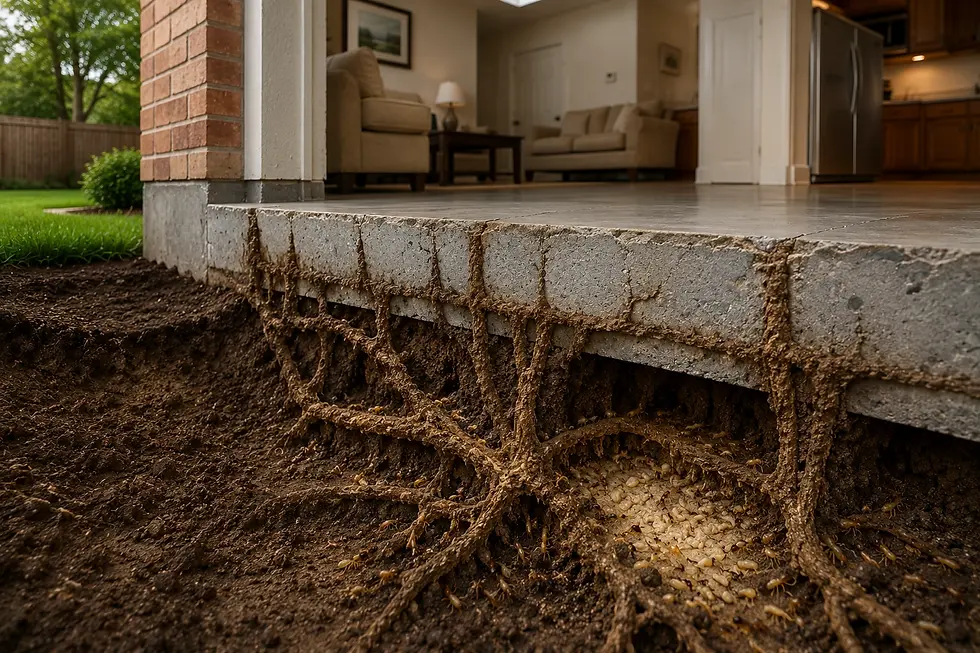
Common signs of termites include discarded wings from swarmers, mud tubes on foundations, hollow-sounding wood, and frass (termite droppings).
You might also notice bubbling or peeling paint, which can indicate moisture from termite activity beneath the surface.
What is a termite swarmer?
Termite swarmers, often mistaken for flying ants, are winged termites that emerge from their colonies to mate and establish new ones.
A swarm is a strong indicator of a nearby termite infestation.
In Los Angeles, flying termites are most commonly seen during the warmer months, particularly after rain.
Is termite damage serious?
Yes, termite damage can compromise a home's structural integrity over time, leading to costly repairs. According to the University of California's Integrated Pest Management Program, termites cause billions of dollars in damage to structures in the United States each year. Early detection is key to minimizing repair costs.
Who pays for termite repairs in escrow?
This is typically a point of negotiation between the buyer and seller. In many Los Angeles transactions, sellers are expected to address Section 1 items, but the final arrangement depends on the terms of the purchase agreement.
How long does a termite inspection take?
A standard termite inspection in Los Angeles typically takes between one and two hours, depending on the size and accessibility of the property.
Why You Can Trust Termike Pest Control
When it comes to protecting your real estate investment, you need a partner you can trust. Termike Pest Control brings over 20 years of experience to every inspection.
Our team is fully licensed, bonded, and insured, and we are proud members of the National Pest Management Association (NPMA).
We utilize advanced techniques to ensure a comprehensive and accurate assessment of every property.
Our inspection methodology includes:
1.FLIR Thermal Imaging:
This technology allows us to detect moisture and heat signatures behind walls, which can indicate hidden termite activity or water damage.
2.UV Tracking Dust:
We use specialized tracking dust to monitor termite movement and identify the extent of an infestation.
3.Sealed Entry-Point Audit:
Our inspectors meticulously examine all potential entry points, including foundation cracks, plumbing penetrations, and roof lines, to identify vulnerabilities.
Our commitment to excellence and customer satisfaction makes us a preferred choice for real estate professionals throughout Los Angeles.
We understand the time-sensitive nature of escrow transactions and are dedicated to providing prompt, reliable service.
The Escrow Termite Inspection Process: A Step-by-Step Guide
The escrow period is a crucial time for due diligence.
A professional termite inspection is a standard part of most real estate transactions in California, and understanding the process can help you avoid surprises.
Here's what to expect:
Step 1: Scheduling the Inspection
The first step is to schedule an inspection with a licensed pest control company.
It's advisable to do this as early as possible in the escrow period to allow ample time for any necessary treatments or repairs.
In a competitive Los Angeles market, delays can jeopardize a transaction, so proactive scheduling is essential.
Step 2: Preparing the Property
To ensure a thorough inspection, the property should be prepared.
This includes clearing access to the attic, garage, and any crawl spaces.
Moving stored items away from walls and ensuring that all areas of the home are accessible will help the inspector complete their work efficiently.
Step 3: The Inspection
A licensed inspector will thoroughly examine the property's interior and exterior, including the attic, crawl spaces, and foundation.
They are trained to identify signs of wood-destroying organisms, such as termites, wood-boring beetles, and fungus, as well as any conditions that could lead to future infestations.
The inspector will look for evidence of termite damage, moisture intrusion, and conducive conditions.
Step 4: The Report
Following the inspection, you will receive a detailed report outlining the findings.
This report is a legal document that plays a significant role in the real estate transaction.
It will categorize findings into sections, which we will explain in detail below.
Understanding the Termite Report: Sections and Common Findings
A standard California termite report, formally known as a Wood Destroying Pests and Organisms Inspection Report, is divided into sections.
Understanding these sections is crucial for both buyers and sellers.
Here's a breakdown of what each section means:
Section 1: Active Infestations and Damage
This section identifies active infestations of wood-destroying pests, such as termites or wood-boring beetles, and any resulting structural damage.
These are issues that typically require immediate attention.
Common Section 1 findings include:
•Active drywood or subterranean termite infestations
•Wood-boring beetle activity
•Fungus damage (dry rot or wet rot)
•Damaged wood that needs repair or replacement
Section 1 items are generally considered the most serious and are often a focal point of negotiations.
Lenders may require that all Section 1 items be addressed before funding a loan.
Section 2: Conditions Likely to Lead to Infestation
This section notes conditions that are likely to lead to an infestation but where no active infestation is currently present.
While not as urgent as Section 1 findings, addressing these issues is crucial for long-term prevention.
Common Section 2 findings include:
•Earth-to-wood contact
•Excessive moisture or plumbing leaks
•Faulty grade levels (soil too close to wood siding)
•Cellulose debris in sub-area (wood scraps or cardboard)
•Insufficient ventilation in crawl spaces
Addressing Section 2 items proactively can prevent future infestations and protect your investment.
Many eco-friendly pest control solutions are available to address these conducive conditions.
Section 3: Inaccessible Areas
This section covers areas that were inaccessible for inspection, such as locked rooms, areas with dense vegetation, or spaces blocked by stored items.
It's important to note these areas as they could harbor hidden infestations.
If possible, arrange for access to these areas before the inspection to ensure a complete assessment.
Common Termite Findings in Los Angeles Homes
Los Angeles is home to several species of termites, each with its own characteristics.
The most common types encountered during a termite inspection in Los Angeles include:
Drywood Termites
Drywood termites are prevalent in Southern California.
Unlike subterranean termites, they do not require contact with the soil and can infest dry wood directly.
They are often found in attics, furniture, and hardwood floors.
Signs of drywood termites include small piles of fecal pellets (frass) and kick-out holes in wood.
Subterranean Termites
Subterranean termites are the most destructive termite species in the United States.
They build their colonies in the soil and construct mud tubes to access wood above ground.
These termites are often found in foundations, crawl spaces, and areas with moisture problems.
Evidence of subterranean termites includes mud tubes on foundation walls and damaged wood with a honeycomb appearance.
Dampwood Termites
Dampwood termites are less common in urban areas but can be found in homes with significant moisture issues.
They prefer wood with high moisture content and are often associated with plumbing leaks or poor drainage.
Negotiation Strategies for Buyers and Sellers
The termite report can be a powerful negotiation tool.
Here are some strategies for both buyers and sellers to consider:
Strategies for Buyers
1-If the report reveals significant damage, you may be able to negotiate for the seller to cover the cost of repairs or termite treatment.
You can also request a credit to handle the repairs yourself after the sale.
When negotiating, consider the following:
2- Obtain multiple estimates for the recommended work to ensure you have accurate cost information.
•Prioritize Section 1 items, as these represent active infestations or existing damage.
•Consider the long-term implications of Section 2 items and factor potential future costs into your offer.
Strategies for Sellers
Addressing any Section 1 issues before listing your home can make the transaction smoother and may even increase your home's value.
If issues are discovered during escrow, be prepared to negotiate with the buyer.
Here are some tips:
•Consider obtaining a pre-listing termite inspection to identify and address issues proactively.
•Get estimates for repairs so you can negotiate from an informed position.
•Offering to cover the cost of treatment can help keep the deal on track and demonstrate good faith.
Termite Clearance and Certification Requirements
Once any necessary treatments and repairs have been completed, the pest control company will issue a "Notice of Completion."
This document, often referred to as a "termite clearance," certifies that the property is free of active infestations and that all recommended work has been performed.
Lenders often require this certification before funding a loan, particularly for FHA and VA loans.
The clearance provides assurance to all parties that the property has been properly treated and is in good condition.
It's important to note that a termite clearance is specific to the work performed and the conditions observed at the time of the inspection.
It is not a guarantee against future infestations.
Regular inspections and preventive measures are recommended to maintain a termite-free property.
Tips for Real Estate Agents: Guiding Your Clients
As a real estate professional, your guidance is invaluable to your clients.
Here are some tips to help them navigate the termite inspection process:
Educate Your Clients Early
Explain the importance of a termite inspection and what to expect from the report before you enter escrow.
Many buyers and sellers are unfamiliar with the process and may be surprised by the findings.
Setting expectations early can reduce stress and facilitate smoother negotiations.
Recommend Reputable Companies
Encourage your clients to use a licensed and insured pest control company with a proven track record.
A reputable company will provide an accurate, unbiased report and stand behind their work.
Termike Pest Control has built strong relationships with real estate professionals throughout Los Angeles by delivering reliable service and clear communication.
Stay Involved Throughout the Process
Review the report with your clients and help them understand the findings.
Be prepared to assist with negotiations and ensure that all necessary work is completed before closing. Your involvement can make the difference between a smooth transaction and a deal that falls apart.
Understand the Timeline
Termite treatments and repairs can take time. Be aware of the escrow timeline and ensure that inspections are scheduled early enough to allow for any necessary work.
If fumigation is required, this can add several days to the process.
Protecting Your Investment: Long-Term Prevention
A successful escrow termite inspection is just the beginning.
To protect your investment over the long term, consider these preventive measures:
•Regular Inspections: Schedule annual termite inspections to catch any new activity early.
•Moisture Control: Address plumbing leaks promptly and ensure proper drainage around your home's foundation.
•Wood-to-Soil Separation: Maintain a gap between soil and any wood components of your home.
•Ventilation: Ensure adequate ventilation in crawl spaces and attics to reduce moisture buildup.
•Professional Treatment: Consider preventive treatments, especially if you live in an area with high termite activity.
Your Partner in Los Angeles Real Estate
A thorough termite inspection in Los Angeles is a critical component of any real estate transaction.
By understanding the process and working with a trusted pest control partner,
you can protect your investment and ensure a smooth closing.
For a comprehensive termite inspection and a detailed report you can rely on, contact the experts at Termike Pest Control.
We serve all of Los Angeles County, Orange County, Riverside County, and San Bernardino County, and our team is ready to assist you and your clients every step of the way.
Call us today at (888) 683-3592 or schedule your free inspection online.


Comments