
Termite Inspection in Long Beach: Coastal Risks, Signs
Living in Long Beach means enjoying ocean breezes and mild weather—but those same coastal conditions can quietly increase termite risk.
Salt air, higher humidity, and older housing stock create an ideal environment for both drywood and subterranean termites.
This guide explains the coastal risks unique to Long Beach, the early warning signs homeowners often miss, and the smart steps to take—starting with a free termite inspection.
Why Coastal Homes in Long Beach Face Higher Termite Risk
Coastal moisture allows termites to thrive year-round, especially in homes with older construction and hidden wood exposure.
That’s why many homeowners rely on professional termite services to detect infestations before structural damage begins.
Learning more about termite behavior helps homeowners understand long-term risks in coastal environments.
Common Types of Termites Found in Long Beach
Drywood termites live entirely inside wood and commonly infest attics, eaves, and window frames.
Understanding how drywood termites spread is critical for early detection and effective treatment.
Subterranean termites nest in soil and enter homes through foundations and plumbing access points.
Knowing how subterranean termites operate helps determine the right inspection and treatment approach.
Early Warning Signs Homeowners Shouldn’t Ignore
Frass (pellet droppings) near walls, windows, or baseboards is a common sign of drywood termite activity.
Discarded wings near doors or windows often indicate termite swarming.
If you notice these signs, contacting Termike Pest Control early can prevent costly structural damage.
What Happens During a Professional Termite Inspection?
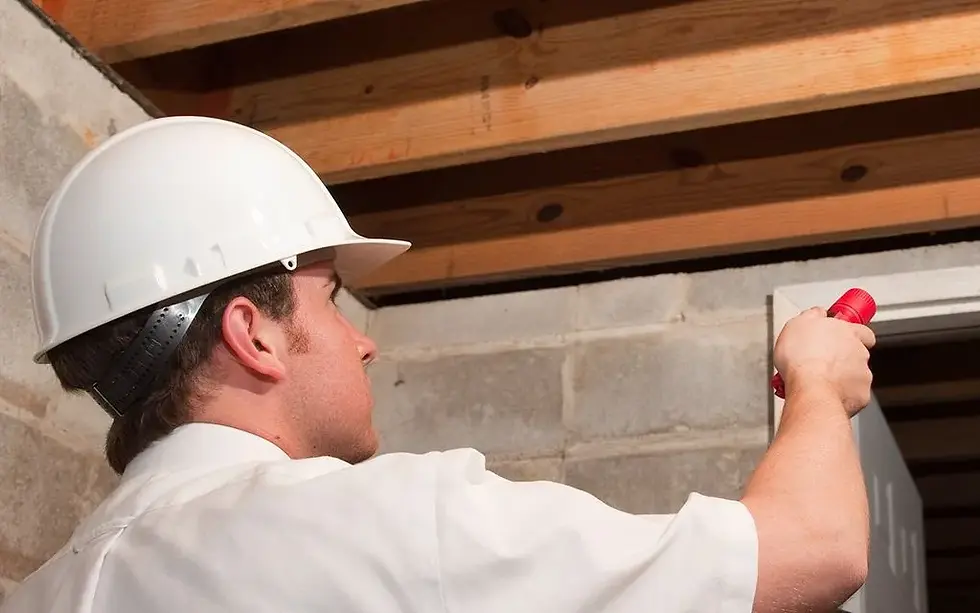
A professional inspection includes foundations, rooflines, attics, crawl spaces, garages, and moisture-prone areas.
These inspections are part of a complete termite treatment process designed to protect your home long-term.
If structural damage is found, technicians may recommend damaged wood repair services.
Treatment Paths After an Inspection
Treatment options depend on the termite species and severity of infestation.
Homeowners looking for low-impact methods often explore eco-friendly termite treatment options.
For severe infestations, professional termite fumigation services may be required.
Prevention Tips for Long Beach Homeowners
Preventive care includes moisture control, sealing cracks, and removing wood-to-soil contact.
Many homeowners stay informed by reading the Termike Pest Control blog for seasonal updates.
Confirming service availability through areas we serve ensures timely inspections and follow-up care.
When to Book Your Termite Inspection in Long Beach
You should schedule an inspection if you’ve seen wings, frass, or swarmers around your home.
It’s also recommended before buying or selling a property, before remodeling, or if it’s been more than a year since your last inspection.
Booking a free inspection appointment helps stop small issues before they become major repairs.
Ready to Protect Your Home?
Termike Pest Control is trusted by homeowners across Southern California, with verified reviews on Yelp. Call to Book: (888) 683-3592
Reach out through our contact page to schedule your inspection and protect your Long Beach home with confidence.


Comments